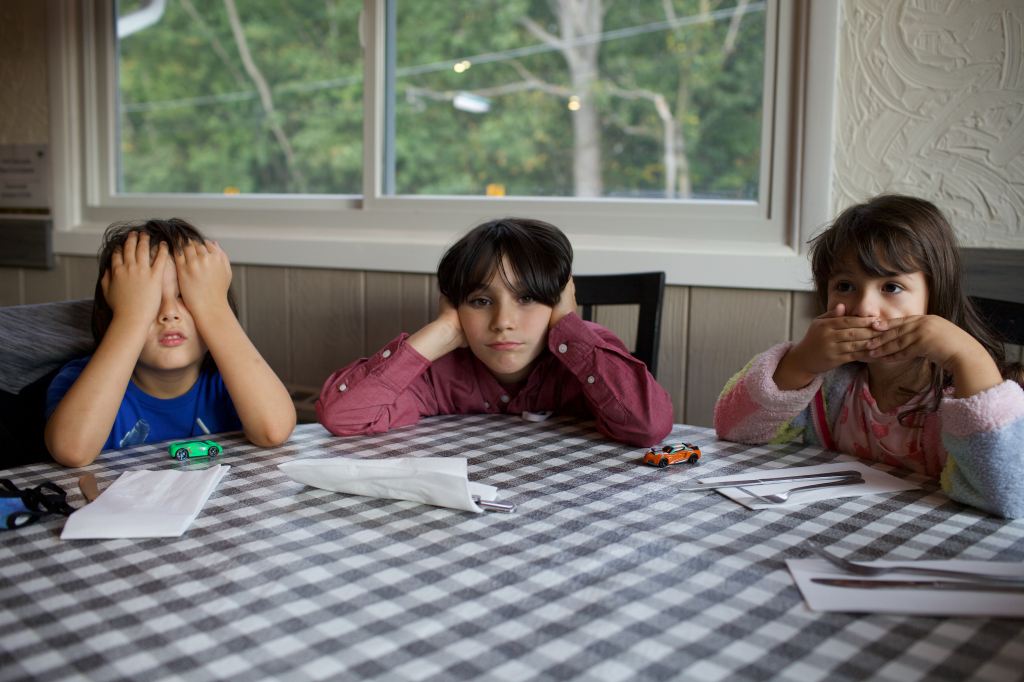
School districts all across America are up and running, headed straight into a new school year that can only be described as “unprecedented”. Principals, teachers, and parents alike have braced themselves for yet another set of formidable challenges “gifted” by the year that is 2020.
Public school has had a consistent “look” to it since its inception in 1635. Classrooms and cafeterias, playgrounds and principal’s offices may differ in specifics, but all maintain the same general purposes. Brainfood and nourishment, play time and discipline are all things we have come to expect from a normal day at school.
Districts have been tasked with the seemingly impossible job of creating systems that will allow all students to receive instruction in a “one size fits no one” set of circumstances.
It is no small task to meet the instructional needs of a classroom full of children with different learning styles on a good day. Prior to COVID, teachers were already expected to do more with less. The “asks” of teachers have increased with each passing year, as have the challenges.
Multiple variations including remote learning, hybrid schedules, and in person school have been decided upon, each district burdened with choosing solutions they feel are sustainable. Regardless of the decisions made, criticism abounds. Frustrations are high. Teachers and parents alike have been on the receiving end of hate for their opinions and personal views on the best way to have students return to school this year.
We humans seek to control what we can, especially amidst times of uncertainty. A school district in the Midwest recently received public criticism after announcing that pajamas would be banned for remote learning, aligning with the same dress code rules that are in place for classes held in school buildings. It’s certainly understandable that they are seeking to maintain some semblance of structure. After all, structure is something we can count on. It provides a sense of security and clear expectations.
There are plenty of studies on both sides of the argument as to whether or not “dressing for success” actually helps to produce an environment conducive to increased performance. My intent is not to criticize a school district for wanting to provide expectations in the hope that a dress code will support student success.
It’s easy, however, to lose sight of what matters, especially when under duress. My guess is parents weren’t upset about a clothing rule. They were upset about an emphasis on something so trivial in light of all the sacrifices parents and students alike are being asked to make under less than ideal circumstances.
Growing up, many of us can remember being so excited to choose our “first day” outfit. Back to school shopping was something to look forward to. It made the impending return to school after a summer of freedom, a little more palatable. Never could we have imagined that one day we would be incorporating masks into our children’s wardrobes.
I held the position of Family Liaison for almost a decade in one of the wealthier public school districts in the nation. Family Liaisons act as a school to home connection, providing all families in the district with a home base of sorts within each school building. It is there that parents can find support and information and be made aware of needed resources in both the district and the surrounding community.
The role was implemented under the premise that there is a direct correlation between kids having their basic needs met and their ability to succeed academically. We, as a district, wanted to give students every opportunity we could control to facilitate optimum growth.
All families were welcome, but centers were most frequented by the most vulnerable. Basic needs were provided to students and their families via program support from the city, local churches, non-profits and businesses. The list included things such as counseling, before and after school care, tutoring, and opportunities to participate in sports programs with a mentoring component. We also connected families in need to agencies that could provide food, rent, utilities, and legal support.
Some of my favorite programs were the ones through which students could access clothing. A few agencies provided vouchers to students, specifically allocated for new school clothes. Students, accompanied by parents or guardians, were able to shop at local stores and choose any and as many items as their designated amount would allow. The shopping events provided clothing, but also an experience, allowing those selected to be just like their peers. It also provided me with a deeper understanding of the economic disparity in our district.
I’m not sure what the demographics look like in the Midwest region that came under fire for the pajama ruling. What I do know for sure, however, is that for many of the students I served, wearing pajamas to online class would be a non-issue. Not because of a rule or parents insisting they dress appropriately.
They simply don’t own any.
The reality for most families that are struggling to pay rent and put food on the table is the fact that pajamas are non-essential. The clothes their kids wore for school may very well be the same ones they slept in last night. They don’t have the “luxury” of worrying about whether or not their kids are breaking dress code rules because they showed up for class in their favorite pj’s. What they, like most parents, do worry about is the emotional health of their children. They worry about them fitting in, knowing anything that makes them different can also make them a target for bullying.
Students may be living in poverty and even experiencing homelessness, but they are no different than any other children in every other way. They want nothing more than to be like their peers. They know that having the right clothing is an equalizer of sorts, albeit it a shallow one. One unexpected benefit to the “no pajamas in class” rule is the relief kids that don’t own any must have experienced.
Our kids are carrying a lot. Most of us are very aware of that and do our best to protect them as much as possible from “adult” issues. That’s not to say I think for one second that kids don’t know what’s going on. They may not be able to articulate well verbally, but there is no mistaking the full impact that multiple hardships hold over their current reality.
2020 has provided us with a world-wide time out. These are uncertain times for those of us alive at this precise moment in history, with this particular set of challenges. But of this we can be certain . . . we are far from the first, nor will we be the last, to experience loss and hardship. What will history, and more importantly our children, have to say about how we handled ourselves? What have we learned?
The truest way to measure if we have internalized anything at all from the adversity we have faced, both personally and as a nation, will be in what we choose to prioritize going forward. It will show up in everything we do, from how we treat one another to the things we choose to focus on.
We would serve ourselves and others well to be mindful that not all hardship is created equal. It’s not to say that what we are going through isn’t difficult, but sometimes learning about the stories of others provides us with some much needed perspective.
So, let’s not worry so much about pajamas. Let’s not make rules that students can’t wear pj’s to online class, especially when mom, dad and all of corporate America have admitted to working in theirs since March. Let’s instead model authenticity and the very things that we want our kids to emulate.
Teaching students to value all others and not view anyone as less will serve them far more than learning to add and subtract numbers. Let’s not focus our attention on outside appearances and instead, work on cultivating character from the inside out. Let’s make sure that while we are sending them off to learn in school, we ourselves get the lessons that life is trying to teach us.
Regardless of the year, the culture, or the current circumstances kids are always looking for the adult in the room. They want to know who can keep them safe. It is our responsibility, as adults, to do just that. We cannot always shield them from hard things no matter how desperately we would like to. But the worst possible thing we can do to our children is strip them of hope.
We need to remember they are always listening, watching and internalizing our reactions and responses to what is happening in the world around us. They learn to “read the room” far sooner than they should have to. We must not conduct ourselves in ways that leave them despairing and full of fear.
It’s not about having all of the answers. It’s about making sure they know they are not alone. It’s reassuring them that we will never give up pursuing solutions. It’s about reminding them, and ourselves, that sometimes the most important thing we can do in life is just keep showing up.
Even if we are in our pajamas.
https://www.today.com/style/pajamas-ban-students-learning-home-angers-some-parents-t188861
Photo by Keren Fedida on Unsplash
 hindsight
You must be logged in to post a comment.